Panacea Bio Chem — Immunology Review
Immunological self/non-self recognition: how a body reads its own molecules
Every second, your cells hold up molecular ID cards for inspection. The system that tells self from foreign — and spares the one while meeting the other — is one of the most elegant pieces of biology we know. This review walks through how it works, from the MHC molecule to the thymus, the natural killer cell, the transplanted organ and the tolerated foetus.
- MHC / HLA is the molecular "self" ID card — it displays a cell's inner peptides for inspection.
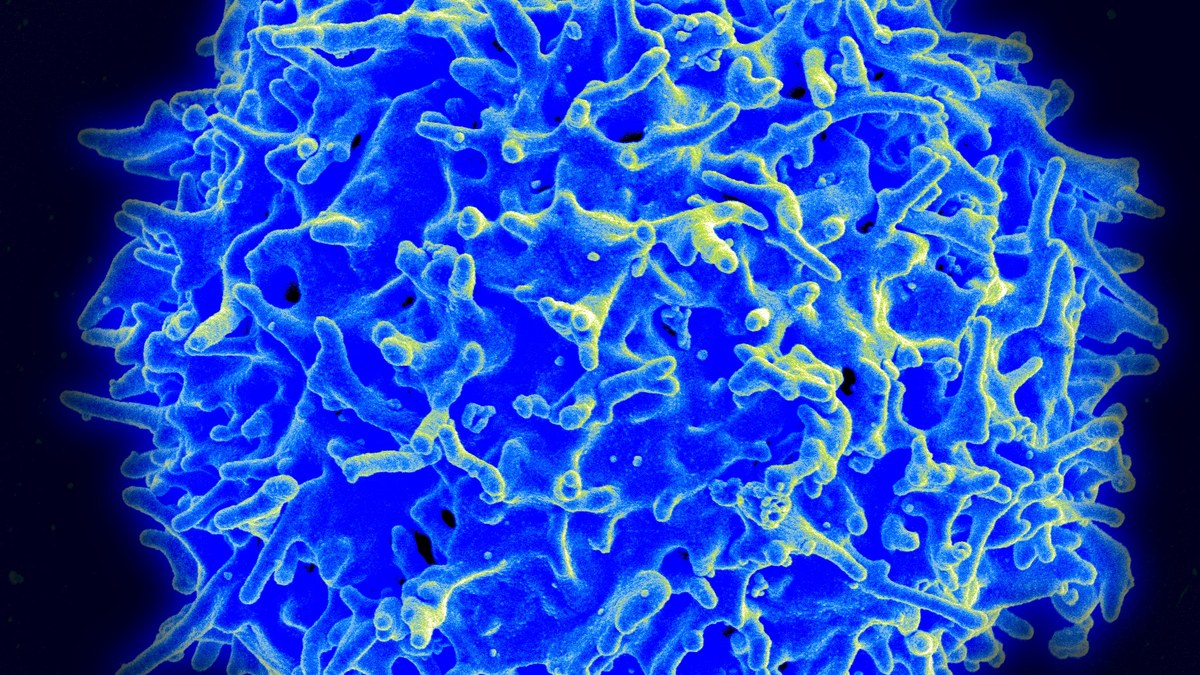
- T cells are schooled in the thymus: kept if they read self-MHC, culled if they attack self — central tolerance.
- NK cells watch for "missing self", tuned by KIR–HLA licensing: a cell that hides its MHC is flagged as suspect.
- Allorecognition — direct, indirect and semi-direct — is this same system meeting a genuinely foreign HLA type in a graft.
- Xenotransplantation is the deepest non-self: the pig α-Gal barrier, met by gene-edited donor organs.
- Checkpoints (CTLA-4 / PD-1) are the self-tolerance brakes that immunotherapy releases; autoimmunity is what happens when tolerance fails.
- Pregnancy is the great tolerance puzzle — a semi-foreign foetus welcomed, not met.
The immune system's central problem is one of identity: it must respond to microbes and to the body's own altered cells while sparing healthy tissue. It solves this with a layered molecular logic. The major histocompatibility complex (MHC) — the human HLA system — turns every nucleated cell into a display case for the peptides it contains, so T cells can inspect the inside of the body one cell at a time. Those T cells are educated in the thymus to read self and to spare it. An innate layer — pattern-recognition receptors, natural killer cells reading "missing self", and the complement system — provides fast, complementary checks. The same machinery, read in its finer detail, explains autoimmunity when tolerance fails, KIR–HLA licensing of NK cells, the direct / indirect / semi-direct allorecognition behind transplant rejection and donor-specific antibodies, the extreme non-self of xenotransplantation, the checkpoint brakes that immunotherapy releases, and the profound tolerance of pregnancy. Read together, it is a portrait of biological self-recognition at its most refined.
1. The problem of identity
An immune system faces a paradox. It must be fierce enough to clear a virus multiplying inside a lung cell, yet restrained enough never to turn that fierceness on the lung. To do this it needs an answer to a single question, asked billions of times a day: is this self, or is this foreign? The elegance of vertebrate immunity is that the answer is not guessed — it is read, from molecules, by dedicated cells built to do nothing else.
Two systems share the work. The innate system reacts within minutes, reading broad molecular patterns shared by whole classes of microbe. The adaptive system is slower but exquisitely specific, learning the exact molecular signature of a threat and remembering it for decades. Both rest on the same foundation: a dependable way to tell the body's own molecules from everything else.
The immune system does not guess at self and foreign — it reads them, molecule by molecule.
2. The molecular ID card — MHC / HLA
At the heart of self-recognition sits the major histocompatibility complex (MHC), called the human leukocyte antigen (HLA) system in people.1 An MHC molecule is a groove that holds a short peptide — a fragment chopped from a protein — and presents it on the cell surface. Because a cell's proteins are constantly sampled and displayed this way, the MHC turns each cell into an honest window onto its own interior. A healthy cell shows only self-peptides; a virus-infected cell also shows fragments of the virus.
Class I and class II — two windows
MHC class I (HLA-A, -B and -C) is present on almost every nucleated cell. It samples proteins made inside the cell and shows them to CD8⁺ "killer" T cells — the surveillance line against viruses and altered cells. MHC class II (HLA-DR, -DQ and -DP) is restricted to professional antigen-presenting cells — dendritic cells, macrophages and B cells — and shows fragments taken up from outside the cell to CD4⁺ "helper" T cells that coordinate the wider response.
MHC restriction — a Nobel-winning insight
In 1974 Rolf Zinkernagel and Peter Doherty discovered something deeper: a T cell does not recognise a foreign peptide on its own. It recognises the peptide only when displayed on the body's own MHC. This is MHC restriction — the T-cell receptor reads peptide-plus-self-MHC as a single unit.2 The consequence is beautiful: the very molecules that carry a person's individual "self" signature are also the frame through which all foreignness is viewed. The work earned the 1996 Nobel Prize in Physiology or Medicine and remains a cornerstone of the field. Because HLA genes are the most variable in the human genome, almost everyone's MHC "type" is close to unique — which is exactly why it doubles as a molecular fingerprint of self.
3. Schooling the T cells — the thymus and tolerance
If T cells are to read self and spare it, they must first learn what self looks like. That education happens in the thymus, a small organ above the heart, before the cells are ever released to patrol the body. The curriculum has two exams.3
Positive selection — learn to read self-MHC
Each young T cell carries a receptor of essentially random specificity. In the thymic cortex, only those whose receptor can engage the body's own MHC at all receive a survival signal; the rest die quietly by neglect. This positive step is what makes the whole repertoire MHC-restricted from the start.
Negative selection — spare the body
Survivors then face the medulla, where they meet a broad sample of the body's own peptides. Any cell that binds self-peptide-on-self-MHC too strongly is a potential attacker and is deleted — a process called clonal deletion. A remarkable gene, AIRE (the autoimmune regulator), lets medullary thymic cells switch on genes from all over the body — insulin, eye and skin proteins and thousands more — so that even tissue-restricted self can be shown and its would-be attackers removed.4 When AIRE is faulty, a rare multi-organ autoimmune condition (APS-1) follows, underlining how much of self-tolerance is built one lesson at a time in the thymus.
Central and peripheral tolerance
Thymic education is central tolerance. Because no filter is perfect, a second line — peripheral tolerance — patrols the rest of the body: regulatory T cells (Tregs, marked by the gene FoxP3) actively restrain self-reactive cells, while others are switched into unresponsiveness (anergy) or simply never meet their target. Together central and peripheral tolerance let the system stay aggressive toward foreign material while holding its fire on the self it was taught to know.5
4. When the lesson fails — autoimmunity
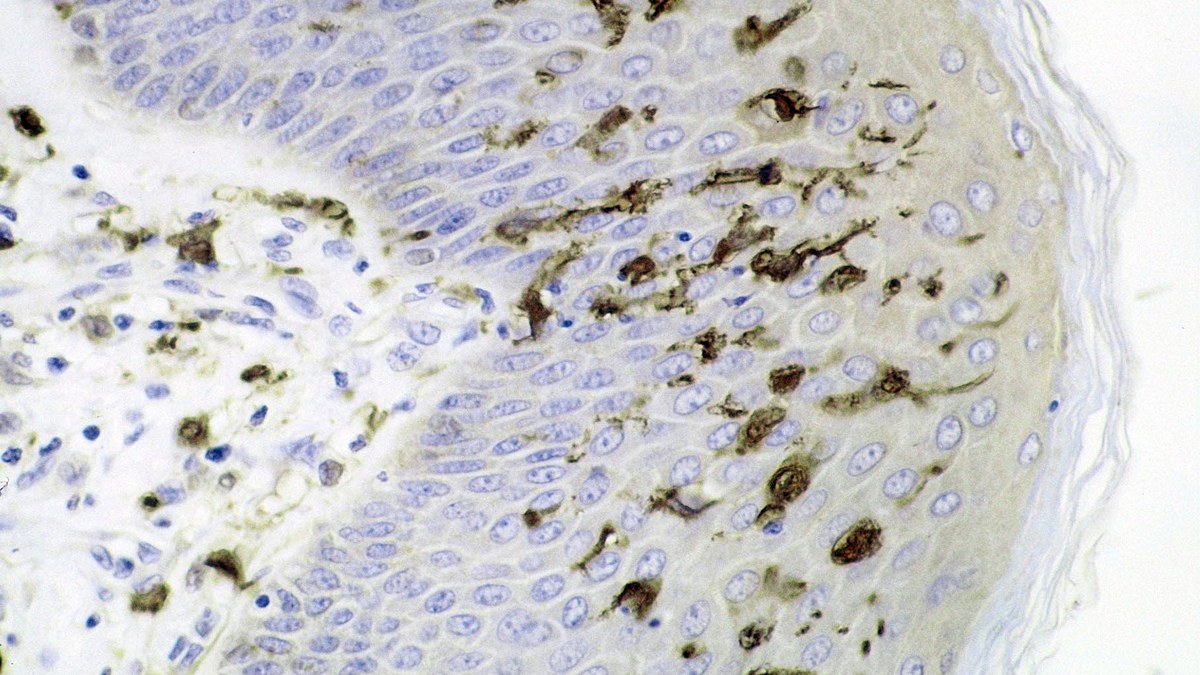
Tolerance is built one lesson at a time, and — like any teaching — it is not perfect. When self/non-self discrimination breaks down and the system reads a genuine self-tissue as foreign, the result is autoimmunity. Studying where the system slips is one of the clearest windows onto how it normally holds the line.11
Central-tolerance escape — the AIRE story
The tidiest illustration is the AIRE gene met above. Because AIRE lets the thymic medulla display thousands of otherwise tissue-restricted self-proteins, a single faulty copy leaves whole categories of self never shown to developing T cells — so their would-be attackers are never deleted. The consequence is APECED / APS-1 (autoimmune polyendocrinopathy), a rare inherited condition in which several organs are attacked at once.4 It is a natural experiment proving how much of adult self-tolerance is decided, in advance, by what the thymus manages to show.
Peripheral-tolerance escape
Even a perfect thymus cannot show every self-molecule — some appear only later, or only in one tissue — so a few self-reactive cells always reach the periphery. There the backup layers (regulatory T cells, anergy, ignorance) usually hold them quiet. When those brakes slip — through genetics, a molecular mimicry between a microbe and a self-protein, or loss of Treg control — a self-reactive clone can expand. The classic proof is the reverse: mutations in FoxP3, the master gene of regulatory T cells, remove that restraint entirely and cause the severe multi-organ autoimmunity of IPEX.5 Autoimmunity, in short, is not the system malfunctioning at random — it is self/non-self discrimination reading one boundary wrong, and it maps almost exactly onto the tolerance mechanisms that normally work.
5. The fast layer — innate non-self detection
Adaptive immunity is precise but takes days to gear up for a new threat. The innate system fills the gap by reading molecular patterns rather than individual signatures, and it too is built around telling self from non-self.
Pattern-recognition receptors and TLRs
Charles Janeway argued that the innate system recognises conserved microbial structures — pathogen-associated molecular patterns — through dedicated pattern-recognition receptors. The best known are the Toll-like receptors (TLRs), which sense hallmarks such as bacterial cell-wall lipopolysaccharide, flagellin, and the distinctive nucleic-acid shapes of viruses. Because these patterns are common to microbes and absent from healthy host surfaces, they are a fast, hard-wired reading of "not-self".6 The discovery of this innate sensing earned a share of the 2011 Nobel Prize.
"Missing self" and natural killer cells
Some viruses and altered cells try to escape CD8 T cells by pulling their MHC class I off the surface — hiding the very window that would betray them. The immune system anticipated the trick. Natural killer (NK) cells carry inhibitory receptors that are satisfied by the sight of normal self-MHC class I; a cell wearing its full complement of MHC is left in peace. A cell that has lost its MHC sends no such "all is well" signal, and the NK cell acts. In a landmark 1986 Nature paper, Klas Kärre and colleagues framed this as the "missing-self" hypothesis: NK cells patrol for the absence of self as a sign of trouble — a mirror image of the T cell's search for foreign peptide.7 The effect is precise: transfer a tumour that has shed its MHC class I and NK cells reject it, while the same tumour re-expressing MHC is spared — the absence of self, not the presence of anything foreign, is the trigger.
The complement system — labelling non-self
Running through the blood is complement, a cascade of proteins that can coat a target for destruction within moments. Its alternative pathway is always gently "ticking over", ready to deposit on any surface — so host cells carry a set of complement-regulatory proteins (such as CD55, CD59 and factor H) that switch the cascade off on self. Foreign surfaces lack these brakes, so complement builds up on them and marks them out. Here self-recognition works by a clever inversion: the body is defined not by a label it carries, but by the "off switches" that foreign surfaces do not.8
6. Reading self by degrees — KIR–HLA and NK licensing
"Missing self" raises an obvious question: if an NK cell attacks whatever lacks self-MHC, how does it learn what "enough self" even looks like — and why does it not attack the body's many normal cells that carry only a partial set of HLA molecules? The answer is a second layer of education, this time for the NK cell itself, built on a family of receptors that read HLA class I molecule by molecule.
KIR — reading HLA class I one molecule at a time
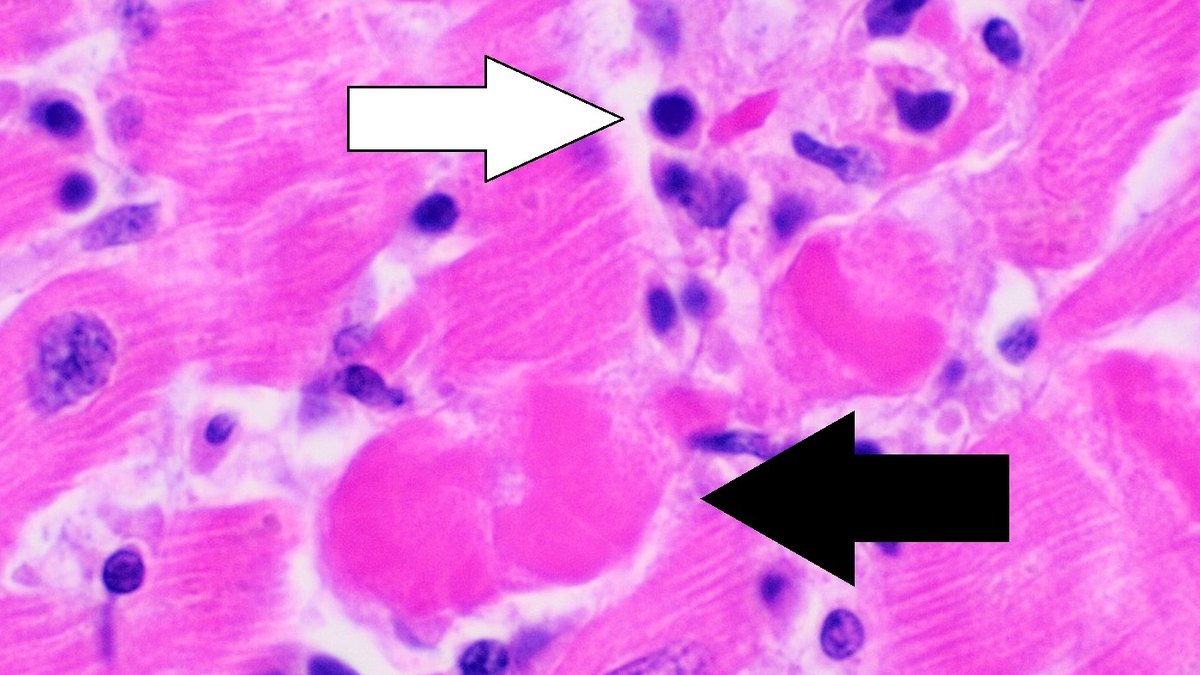
The chief human sensors are the killer-cell immunoglobulin-like receptors (KIR), a variable gene family whose inhibitory members recognise specific groups of HLA-A, -B and -C molecules. When an inhibitory KIR engages its matching self-HLA on a neighbouring cell, it delivers an "all is well" brake; a cell that is short of the right HLA fails to brake the NK cell. Because KIR genes and HLA genes are inherited independently, each person carries a distinctive KIR–HLA combination — a second, overlapping layer of individual self-identity beyond the HLA type itself.12
NK licensing / education — earning the right to kill
Here is the elegant part. A young NK cell only becomes fully functional if, during development, at least one of its inhibitory receptors can engage a self-HLA molecule — a process called licensing or education. An NK cell that finds a self-HLA to bind is "licensed": it is armed and self-tolerant, because that same self-HLA will restrain it in the body. An NK cell whose receptors match no self-HLA is left hyporesponsive, so it cannot do harm despite meeting self cells that lack the ligand it happens to read. Self-tolerance and killing power are, in other words, calibrated together against the body's own HLA.12
Why it matters — transplant and antiviral immunity
This tuning has real consequences. In haematopoietic stem-cell transplantation, certain donor-versus-recipient KIR/HLA mismatches let donor NK cells see recipient leukaemia cells as "missing self" and attack them — an NK-mediated graft-versus-leukaemia effect. In antiviral immunity, particular KIR–HLA combinations are linked to how well people control viruses such as HIV and hepatitis C, because HLA class I both presents viral peptides to T cells and licenses the NK cells that back them up.12
7. When self meets a new self — transplantation & allorecognition
Nowhere is the power of HLA clearer than in the transplanted organ. To the recipient's immune system, a donor kidney's HLA molecules are simply a different "self" — and the same surveillance that would clear a virus reads them as foreign. This allorecognition is the biological root of transplant rejection; it is not a flaw but the self/non-self system doing exactly what it evolved to do.9 Modern transplantation is, in large part, the art of managing that recognition.
Three ways a graft is seen — direct, indirect, semi-direct
Recipient T cells "see" donor HLA by three distinct routes, and the distinction shapes the whole clinical picture.13 In direct allorecognition, recipient T cells bind intact donor MHC displayed on the donor's own cells; strikingly, a very large fraction of a person's T cells can react to a foreign MHC this way, which is why early acute rejection is so vigorous. In indirect allorecognition, the recipient's own antigen-presenting cells engulf shed donor proteins and present the fragments on self-MHC — the ordinary pathway of antigen presentation, here turned on the graft. It is slower and longer-lasting, provides the T-cell help that lets B cells make anti-donor antibodies, and drives chronic rejection. Semi-direct allorecognition is the hybrid discovered more recently: recipient cells acquire intact donor MHC molecules — passed across membranes or carried on exosomes — and then present them directly, bridging the other two routes.
| Concept | Molecules | What is happening |
|---|---|---|
| HLA matching | HLA-A/B/DR | The closer the donor and recipient HLA types, the less foreign the graft appears — which is why HLA typing guides kidney and stem-cell donor selection. |
| Hyperacute reaction | pre-formed antibody | Antibodies already present against donor HLA or blood-group antigens can bind a graft immediately — the reason for careful cross-matching beforehand. |
| Acute cellular response | CD8⁺ / CD4⁺ T cells | T cells recognise donor HLA directly or as processed peptide, the classic T-cell-driven response managed with immune-modulating therapy. |
| Graft-versus-host | donor T cells | In bone-marrow / stem-cell transplants the direction reverses: transplanted donor immune cells read the recipient as foreign — GvHD. |
The mirror case — graft-versus-host disease — is a striking reminder that "self" is defined from the standpoint of whichever immune system is doing the reading. Give a patient a new immune system, and it brings its own definition of self with it. Understanding HLA at the molecular level is what has turned transplantation from an impossibility into everyday medicine.
By the clock — hyperacute, acute, chronic
Rejection is usually described by its timing, and each tempo maps onto a different reading of self. Hyperacute rejection strikes within minutes: it needs pre-formed antibody — against donor HLA or against blood-group (ABO) antigens — already circulating before surgery, which binds the graft vasculature and triggers complement at once. This is why cross-matching and blood-group compatibility are checked beforehand. Acute rejection unfolds over days to weeks and comes in two flavours: cellular, driven by the donor-reactive T cells of direct and indirect allorecognition, and antibody-mediated, driven by newly made anti-donor antibody. Chronic rejection is the slow fibrosis and vascular narrowing of months to years, in which the indirect pathway and persistent antibody quietly remodel the graft.14
Donor-specific antibodies — the humoral read on non-self
The antibody arm deserves its own note, because it has become central to modern transplant medicine. Donor-specific antibodies (DSA) are antibodies a recipient makes (or already carries from pregnancy, transfusion or a previous graft) against the donor's HLA. When they bind graft endothelium they fix complement and recruit cells, producing antibody-mediated rejection — a leading cause of late graft loss. Because DSA are so informative, transplant programmes now monitor them with sensitive bead assays and factor a recipient's pre-existing anti-HLA antibodies (their "sensitisation") into donor selection. DSA are, in effect, the humoral system writing down its verdict on a specific non-self HLA.14
8. The deepest non-self — xenotransplantation
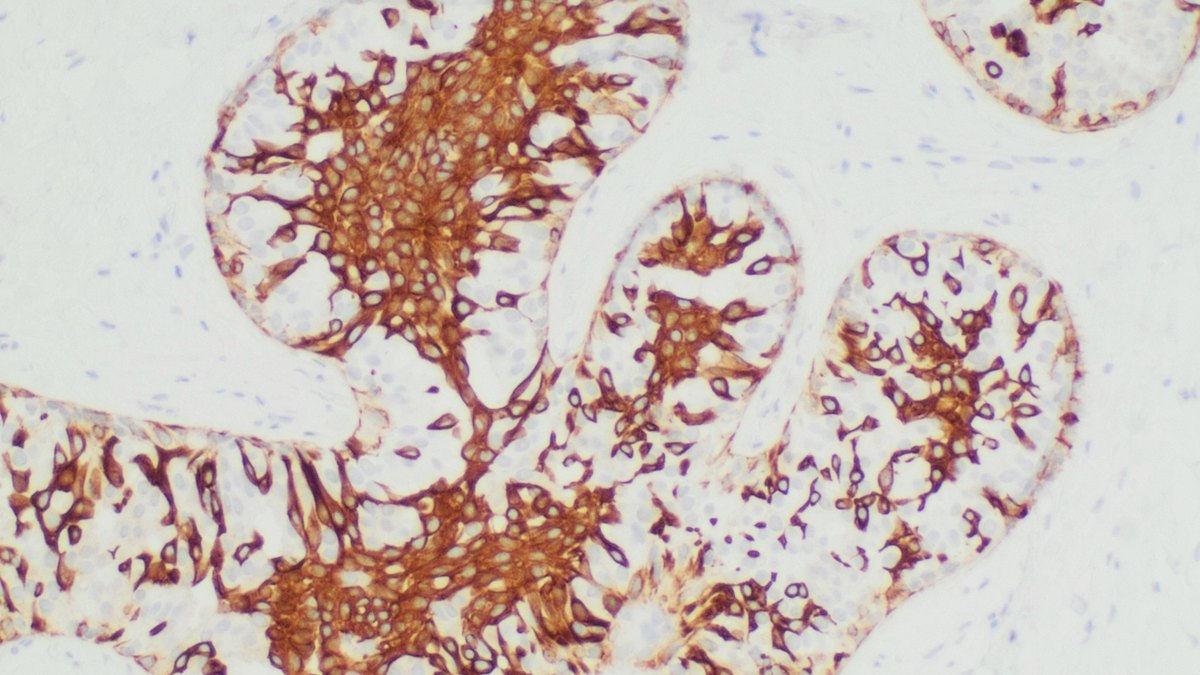
If a mismatched human organ is "a different self", an organ from another species is non-self of the deepest kind — and it is also one of the most active frontiers in transplantation. Xenotransplantation, most seriously pig-to-human, is pursued because the shortage of human donor organs is severe and pig organs are close in size and physiology. The barrier is precisely the self/non-self biology described above, turned up to its extreme.15
The α-Gal barrier
The first wall is a sugar. Pig cells decorate their surfaces with α-Gal (galactose-α-1,3-galactose), made by the enzyme α-1,3-galactosyltransferase — the GGTA1 gene. Humans and other apes lost that enzyme in evolution and instead carry abundant pre-formed anti-α-Gal antibodies. Transplant a wild-type pig organ and those antibodies bind the α-Gal at once, fix complement, and cause hyperacute rejection within minutes — the same pre-formed-antibody mechanism as an ABO-mismatched human graft, only far stronger.15
Gene-edited donor pigs
Modern gene editing addresses the barrier at its molecular root. Donor pigs are engineered to knock out the three enzymes that build the main xeno-sugars — GGTA1 (α-Gal), CMAH (Neu5Gc) and B4GALNT2 — removing the antigens human antibodies read. They are then given human complement-regulatory proteins (such as CD46 and CD55) and human coagulation regulators (such as thrombomodulin) so the human immune and clotting systems recognise the graft's surfaces as "self-regulated", plus edits to curb inflammation and inactivate porcine endogenous retroviruses. A single research pig may carry a dozen or more such edits.15
Recent clinical milestones
The field has moved from bench to bedside. In 2022 a gene-edited pig heart was transplanted into a living patient at the University of Maryland; decedent (brain-dead) recipients have received gene-edited pig kidneys that made urine and filtered waste; and in 2024–2025 gene-edited pig kidney and heart transplants were performed in living patients under compassionate-use authorisation. These are early milestones, reported here factually: they show how far reshaping a donor's molecular "self" can push the boundary of what the human immune system will accept.15
9. The great exception — tolerance in pregnancy
The most beautiful puzzle in the whole field is pregnancy. A foetus inherits half its genes — and half its HLA — from the father, making it semi-allogeneic: genuinely part-foreign to the mother. By every rule above it should be recognised and met. Yet for nine months it is welcomed. In 1953 Peter Medawar — whose transplantation work had defined acquired immune tolerance and would earn the 1960 Nobel Prize — framed this as one of biology's deep problems, and its unravelling has been a triumph of tolerance research.10
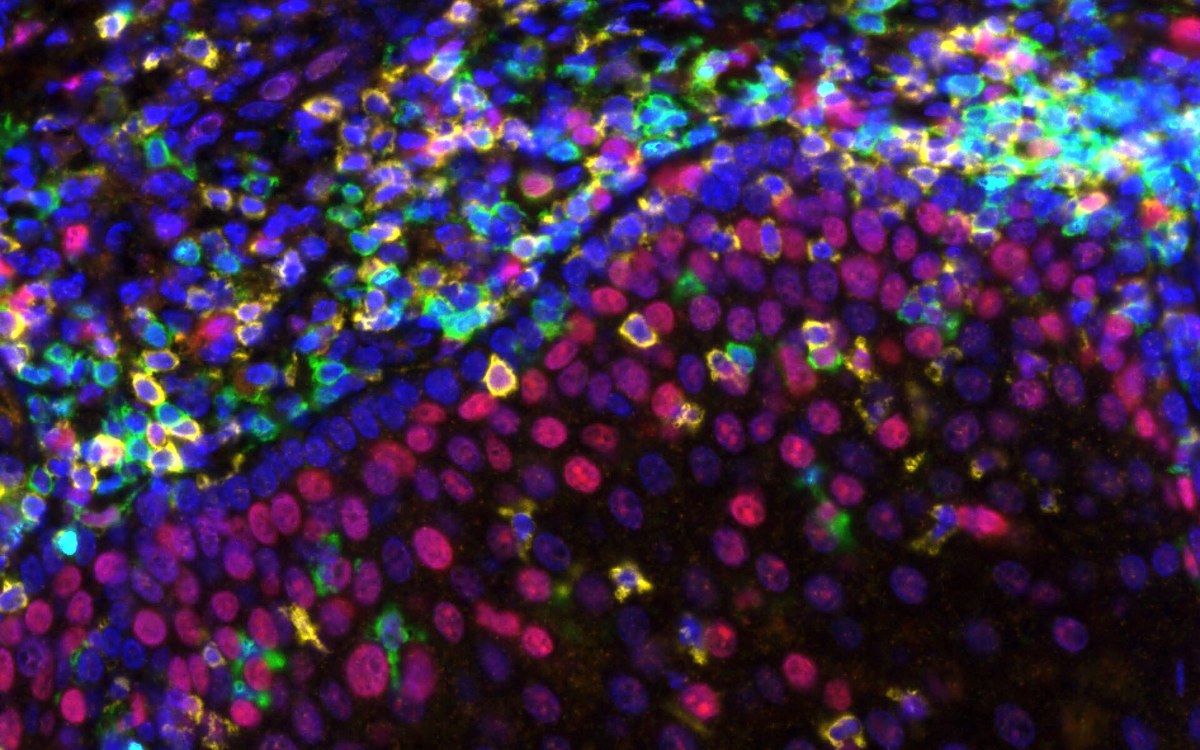
The placental interface uses several elegant tactics at once. The invading trophoblast cells largely withhold the classical, highly variable HLA-A and HLA-B, so there is little foreign signature to read. Instead they display HLA-G, an unusual, barely-variable MHC molecule that actively calms NK cells and keeps the "missing-self" alarm quiet. The local tissue is enriched in regulatory T cells tuned to paternal antigens.10
Most remarkable of all are the uterine natural killer (uNK) cells, which dominate the early decidua yet, far from attacking, help build the pregnancy. Their receptors read the foetal HLA that trophoblast does display — chiefly HLA-C — and the reading is constructive: work by Ashley Moffett, Susan Hiby and colleagues showed that particular combinations of maternal KIR and foetal HLA-C shape how well the spiral arteries are remodelled to feed the foetus, with certain inhibitory-KIR/HLA-C2 pairings statistically linked to disorders of poor placentation such as pre-eclampsia.16 It is the very same KIR–HLA logic met in the NK-licensing section — here repurposed not to kill but to nourish. Far from a battleground, the maternal-foetal interface is a masterclass in active tolerance: the same system that rejects a mismatched graft choosing, here, to extend welcome.10
10. Releasing and restoring the brakes — checkpoint & tolerance therapeutics
If self-tolerance is a set of brakes, then two of medicine's most powerful ideas are simply learning when to release them and when to reapply them. Both grow straight out of the self/non-self biology above.
CTLA-4 and PD-1 — the self-tolerance brakes
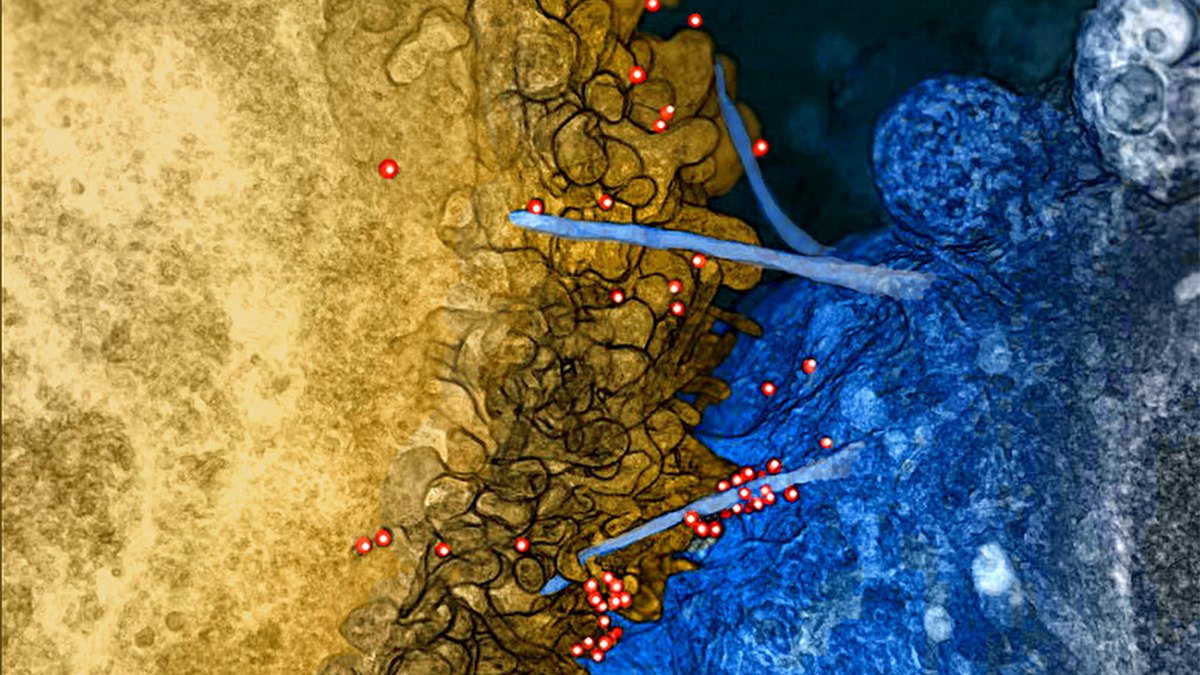
CTLA-4 and PD-1 are inhibitory receptors on T cells — molecular brakes that raise the threshold for activation and help enforce peripheral tolerance, damping responses to self so they do not run away. CTLA-4 acts early, competing with the activating receptor CD28 for the same signals; PD-1 acts later in tissues, quieting a T cell when it meets its ligand PD-L1. Their importance to tolerance is written in the knockouts: mice lacking CTLA-4 die young of overwhelming lymphocyte activation.17
Checkpoint inhibitors — releasing the brake against a tumour
Some tumours survive by exploiting these brakes — displaying PD-L1, for instance — so that tumour-reactive T cells are switched off and the cancer effectively passes itself off as self. Checkpoint-inhibitor antibodies block CTLA-4 or the PD-1/PD-L1 pair and lift the brake, freeing the T cells to respond. The insight that releasing an immune checkpoint could unleash anti-tumour immunity earned James Allison and Tasuku Honjo the 2018 Nobel Prize in Physiology or Medicine and reshaped oncology.17
The trade-off — and the reverse goal of tolerance therapy
Because the very same brakes maintain self-tolerance, releasing them has a predictable cost: immune-related adverse events, in which the freed immune system attacks healthy tissue — checkpoint therapy can, in effect, induce a controllable autoimmunity. That trade-off is the whole self/non-self balance in miniature. It also points to the mirror-image ambition: tolerance therapeutics that reapply the brakes where they are wanted — antigen-specific approaches, regulatory T-cell therapies, and tolerogenic strategies aimed at calming autoimmunity or accepting a graft without suppressing the entire system.18 Releasing tolerance and restoring it are two faces of one science.
11. Why it matters — the open frontier
Reading self/non-self correctly is the hinge on which much of medicine turns. Teaching the immune system to tolerate where it should — a donor organ, an insulin-producing cell, a person's own joints — is the goal of tolerance therapeutics: antigen-specific approaches, Treg-based strategies and gentler ways to hold autoimmunity in check without dimming the whole system. Teaching it to respond where it should — toward a tumour that has learned to look like self — is the aim of much of modern immunotherapy. Between these poles sits a quieter but universal concern for anyone who designs a therapeutic molecule: immunogenicity. A peptide or protein drug is, to the immune system, a new molecular object to be read; whether it is met or ignored depends on its sequence, its structure, and — importantly — on whether it has stayed intact or formed the aggregates that the innate system reads as a danger pattern. The frontier is to map these rules finely enough to design molecules that the body reads as compatible, and to keep them in the state in which it does.
12. Where Panacea Bio Chem works
Panacea Bio Chem works in the molecular layer that this biology makes so consequential: precision biochemistry and amino-acid-chain (AAC) design. Immunological self-recognition is the real backdrop against which any peptide or biologic must perform — the immune system reads every molecule that enters the body, and a therapeutic is judged, in part, on how that reading goes. Panacea's ongoing work treats molecular integrity as central to that question: a peptide that reaches its target with its structure whole, free of the aggregates and oxidative damage that raise immunogenic risk, is a molecule the body is more likely to read gracefully. That is the through-line from self/non-self recognition to the company's gentle biopreservation methods — ways to carry a fragile molecule from synthesiser to patient without stressing it into a form the immune system would rather meet than accept: Cryolapse™ — gentle freeze-drying →, TgShift™ — raising the stability ceiling →, RedoxVault™ — guarding against oxidative change → and the self-reconstituting Lyoprester® cartridge →, all coordinated by the S3Pulse™ biointegrity algorithm →. Panacea also studies the immune-facing sciences directly — from Interleukin-15 → to engineered T-cell therapy →.
The specific proprietary methods, parameters and in-house research directions that Panacea Bio Chem brings to this sphere remain held by the company and its founder, Bogdan Dicoias — the outline is public; the working detail stays in-house.
13. Potential directions
- Low-immunogenicity molecule design — reading sequence and structure to design research-grade peptides that the immune system is more likely to read as compatible.
- Integrity as an immune variable — treating aggregation and oxidative modification as immunogenic risk factors, and minimising them through gentle preservation.
- Formulation for tolerance — exploring how the physical state of a dried and reconstituted molecule shapes how it is first read by innate sensors.
- Immune-facing biology — the cytokine and cellular pathways (of the IL-15 or T-cell kind) as context for how a delivered molecule meets the system.
These are open research directions offered as inspiration, not results or health claims.
Frequently asked
What is immunological self/non-self recognition?
The molecular systems by which cells tell
their own tissue (self) from foreign material and from altered cells. Its centrepiece is the MHC / HLA,
which displays a cell's inner peptides so T cells can inspect them. It is a cell-biology concept about
tissue identity only.
What is MHC restriction?
Zinkernagel and Doherty's 1974 finding that a T cell recognises a
foreign peptide only when it is presented on the body's own MHC — peptide and self-MHC are read
together. It won the 1996 Nobel Prize.
How does the body avoid attacking itself?
Developing T cells are educated in the thymus —
kept if they can read self-MHC, deleted if they attack self (central tolerance, helped by AIRE). Escapees
are held in check in the periphery by regulatory T cells and other mechanisms; when those fail, the result
is autoimmunity.
What are direct, indirect and semi-direct allorecognition?
Three ways a recipient's T cells
see a graft: reading intact donor MHC on donor cells (direct, drives acute rejection); displaying donor
fragments on the recipient's own MHC (indirect, drives antibody production and chronic rejection); or
acquiring intact donor MHC and presenting it directly (semi-direct).
What are KIR–HLA interactions and NK licensing?
NK cells read HLA class I through KIR
receptors. During development an NK cell that engages self-HLA becomes "licensed" — competent yet
self-tolerant. This tunes the missing-self response and matters in transplantation and antiviral immunity.
What is xenotransplantation and the α-Gal barrier?
Cross-species transplant, chiefly
pig-to-human. Humans carry pre-formed antibodies to the pig α-Gal sugar (made by GGTA1), causing
hyperacute rejection; gene-edited donor pigs knock out that sugar and add human complement regulators.
How do checkpoint inhibitors relate to self-tolerance?
CTLA-4 and PD-1 are T-cell brakes that
enforce self-tolerance. Checkpoint-inhibitor antibodies release them so the system can respond to a tumour
— which can also cause autoimmunity, the trade-off of loosening a self-tolerance brake.
Does any of this concern human societies or foreigners?
No. "Xenophobia" here is only a
biological metaphor for molecular non-self recognition. The science is about molecules and cells and
implies nothing about human social attitudes or how people treat one another.
Trending in the field
Recent developments in the field — refreshed 2026-09-08 by Panacea Bio Chem.
- Knowing me, knowing you: Self and non-self recognition in plant immunity — PubMed, 2022 Sep 30
- Bacterial type III effector-induced plant C8 volatiles elicit antibacterial immunity in heterospecific neighbouring plants via airborne signalling — PubMed, 2022 Jan
- Foxp3 Instability Helps tTregs Distinguish Self and Non-self — PubMed, 2019
- Discrimination Between Self and Non-Self-Nucleic Acids by the Innate Immune System — PubMed, 2019
References & further reading
- Major histocompatibility complex / human leukocyte antigen. MHC — Wikipedia · HLA — Wikipedia.
- Zinkernagel & Doherty, MHC restriction of T-cell recognition. MHC restriction — Wikipedia · Nature 248, 701–702 (1974).
- Central tolerance and thymic selection. Central tolerance — Wikipedia · Thymocyte selection.
- AIRE (autoimmune regulator) and promiscuous self-antigen expression. AIRE — Wikipedia · Anderson et al., Science (2002), PubMed.
- Regulatory T cells and peripheral tolerance. Regulatory T cell — Wikipedia · Peripheral tolerance.
- Pattern-recognition receptors and Toll-like receptors (Janeway; 2011 Nobel Prize). TLR — Wikipedia · Pattern-recognition receptor.
- The "missing-self" hypothesis and natural killer cells (Kärre). Missing-self — Wikipedia · Natural killer cell.
- The complement system and self-surface regulation. Complement system — Wikipedia · Factor H.
- Transplant rejection, allorecognition and histocompatibility. Transplant rejection — Wikipedia · Graft-versus-host disease.
- Maternal-foetal tolerance (Medawar's paradox), HLA-G and uterine NK cells. Immune tolerance in pregnancy — Wikipedia · HLA-G · Medawar PB, Symp. Soc. Exp. Biol. 7, 320–338 (1953).
- Autoimmunity as a failure of self-tolerance. Autoimmunity — Wikipedia · APECED / APS-1 · IPEX (FOXP3).
- KIR receptors, KIR–HLA interaction and NK cell education/licensing. KIR — Wikipedia · NK cell education · Kim et al., Nature (2005) — NK licensing, PubMed.
- Allorecognition — direct, indirect and semi-direct pathways. Allorecognition — Wikipedia · Siu et al., Front. Immunol. (2018) — direct, indirect and semi-direct allorecognition, PubMed.
- Transplant rejection timing (hyperacute / acute / chronic) and donor-specific antibodies. Transplant rejection — Wikipedia · Antibody-mediated rejection · HLA cross-matching.
- Xenotransplantation, the α-Gal (GGTA1) barrier and gene-edited donor pigs. Xenotransplantation — Wikipedia · α-Gal · Griffith et al., N. Engl. J. Med. (2022) — pig-heart xenotransplant, PubMed.
- Uterine NK cells, maternal KIR and foetal HLA-C in placentation. Uterine NK cells — Wikipedia · Hiby et al., J. Exp. Med. (2004) — KIR/HLA-C & pre-eclampsia, PubMed.
- Immune checkpoints (CTLA-4, PD-1) and checkpoint-inhibitor immunotherapy (Allison & Honjo, 2018 Nobel). Immune checkpoint — Wikipedia · CTLA-4 · PD-1.
- Regulatory T cells and tolerance therapeutics. Regulatory T cell — Wikipedia · Therapeutic tolerance.